What if a child vomits on safari? Most safari vomiting in children is motion sickness or a short stomach bug, not an emergency. The right response keeps your child comfortable, helps the guide make smart choices, and avoids a long, stressful drive back to camp. This Kenya specific guide covers the steps from the vehicle to the clinic.
What if a child vomits on safari: immediate steps in the vehicle
Tell the guide immediately, ask for a safe stop, keep your child seated or lying on their side, and use a sick bag, wipes, water, and spare clothing from your day pack. Wait 10 to 15 minutes before offering tiny sips of oral rehydration solution or water. Do not give a large drink immediately because it may trigger more vomiting.
Stay calm and move slowly. Vomiting is loud and smells, but your child will pick up on panic. Have a designated sick bag within reach from the start. Use a second resealable bag for soiled clothes. If your child is old enough, keep them upright. If not, hold them on their side so the airway stays clear. Ask the guide to stop only when he says the spot is safe. Do not undo seatbelts or open doors before the vehicle is fully stationary. Keep water nearby, but do not push it for the first 10 to 15 minutes.
How the guide and safari vehicle handle a sick child
The guide should stop at the safest available location, help clean the child and vehicle, assess whether the child can continue, and contact camp staff by radio if a return is needed. Do not expect the vehicle to stop anywhere: leaving the vehicle is normally permitted only where the guide confirms it is safe, because wildlife remains nearby.
Kenya guides deal with sick passengers often, especially on bumpy Mara tracks. They know which spots are free of long grass and close enough to see danger. A good guide will radio the camp before turning back. Some vehicles carry a small clean up kit and spare water, but do not depend on it. The guide may prefer to drive slowly to a better stop rather than pull over in tall grass. For the rules on getting out, see whether you can leave the safari vehicle. Normal toilet stops are different from an illness stop. If you are curious about the ordinary routine, read how toilet breaks work during Kenya game drives.
The costs below are indicative ranges for private arrangements, not fixed prices. Always confirm with the camp manager and your travel insurer.
| Situation | Real locations and distances | Typical camp or guide response | Indicative private cost |
|---|---|---|---|
| One vomiting episode on a game drive | Sarova Mara Game Camp or Governors’ Camp in the Masai Mara, often 10 to 40 km from the current track to camp | Guide stops at a safe spot, helps clean up, returns to camp if needed | Shared vehicle usually included; private vehicle roughly USD 200 to 400 per day |
| Camp manager calls a doctor | Sarova Mara Game Camp, Governors’ Camp, or Ol Pejeta Bush Camp; doctor may travel from Narok or Nanyuki, roughly 20 to 80 km | Camp staff use radio or phone to arrange a house call or clinic visit | Consultation roughly USD 30 to 80; house call roughly USD 100 to 200 plus transport |
| Road transfer to Nairobi for care | Masai Mara to Nairobi, about 250 km and 5 to 6 hours by road | Camp arranges a private vehicle and driver | Roughly USD 250 to 500 |
| Air transfer or air ambulance | Mara airstrips to Nairobi Wilson, roughly 45 to 60 minutes | Camp or insurer coordinates a medical flight | Often USD 1,500 to 5,000 or more, depending on insurer |
Sarova Mara Game Camp, Governors’ Camp, and Ol Pejeta Bush Camp all route medical requests through the camp manager. The manager can call a doctor, arrange a pharmacy run, or hold your room if you leave for a clinic. If you are staying in a private conservancy, lodge staff usually handle this the same way.
How to prevent motion sickness before the next game drive
Tell the guide before departure, seat the child where they can face forward and see outside, avoid a heavy or greasy meal, and schedule a shorter drive first. Ask a pediatrician whether a child-specific medicine is appropriate and test it at home. Some remedies cause drowsiness, and prevention works better when taken before symptoms begin.
Put your child in a seat that looks through the windshield, not at a rear side panel. Keep them off screens and books. A small plain snack such as a dry cracker is better than eggs, bacon, or a full English breakfast. Ask your guide for a smoother track or a shorter loop on the first drive. If medicine is approved, give it before the vehicle starts moving, not after nausea begins. Dramamine and similar products have age limits and can make a child sleepy. Check with a pediatrician and try a dose at home before the trip.
What to pack for a child who may vomit on safari
Pack at least two sick bags, resealable plastic bags, unscented wipes, hand sanitizer, a towel, spare clothes, a washable seat liner, drinking water or oral rehydration sachets, plain crackers, and any pediatrician-approved medicine in its original packaging. Keep the kit in the passenger compartment, not in luggage stored elsewhere in the vehicle.
Use one zip bag as a wet bag. Put paper towels or a cloth towel under the child’s seat before the drive. A washable seat liner protects the vehicle seat and is easy to rinse at camp. Keep spare clothes in a roll, not folded, so you can grab them fast. Add a small torch or headlamp for evening drives. Unscented wipes are better than heavily perfumed ones. Your day pack should stay at your feet, not in the roof rack or rear luggage box.
How to rehydrate and feed your child after vomiting
After vomiting, pause briefly, then offer very small, frequent sips rather than a full bottle. Oral rehydration solution is preferable when vomiting or diarrhea continues. Continue breastfeeding for infants. Once fluids stay down for several hours, reintroduce simple foods gradually, and avoid forcing a meal immediately after the episode.
Give 5 to 15 mL of fluid every few minutes using a cup, spoon, or oral syringe. Oral rehydration solution available at Kenyan pharmacies and many camp shops is the safest choice. Mix it with clean, safe water. If you do not have sachets, offer cool boiled water or diluted clear juice for an older child. Breastfeed babies in short, frequent feeds. After a few hours without vomiting, try plain crackers, white rice, banana, or dry toast. Avoid dairy, fried food, and spicy sauces for 24 hours. Watch for a dry mouth, no tears, very dark urine, or heavy sleepiness.
When child vomiting requires medical help in Kenya
Contact the camp manager or seek medical care for repeated vomiting, inability to keep fluids down, very little urine, unusual sleepiness, dry mouth, severe abdominal pain, a swollen belly, high fever, green or bloody vomit, or blood in the stool. Persistent vomiting with dehydration can become an emergency, especially for infants and young children.
Do not wait until a child is limp or unable to wake. Camp managers can arrange a doctor or a road transfer faster than most visitors expect. In Nairobi, good private clinics handle pediatric emergencies. In the Mara and Laikipia, the nearest doctor may be in Narok, Nanyuki, or through a flying doctors service. If your child has a fever in a malaria area, mention it and get a malaria test. This is not just about vomiting. For a wider checklist on illness planning, see what to do if your child gets sick on safari.
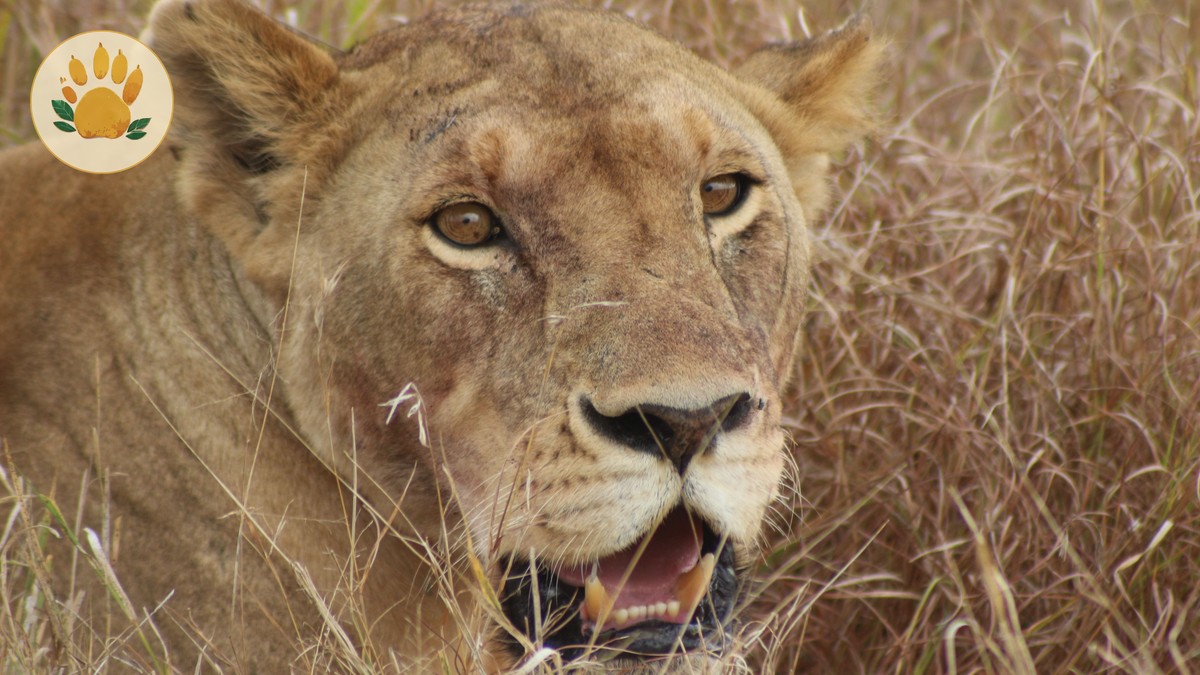
Should your child continue the safari or return to camp?
Return to camp if vomiting repeats, the child looks weak, cannot drink, has diarrhea or fever, or is distressed. Continue only after a single likely motion-sickness episode if the child is alert, hydrated, comfortable, and the guide agrees. A missed game drive is safer than worsening dehydration or being far from camp when symptoms return.
A single vomit after a bumpy track does not have to end the day. Wait 20 to 30 minutes, offer small sips, and watch how your child behaves. If they want to sit up, smile, and drink, a short rest may be enough. If they close their eyes, whine, or vomit again, turn back. Many camps let you swap a morning drive for an afternoon one or stay with one parent while the other goes out. Discuss that with the manager. Missing a lion sighting is frustrating, but it is a small cost for a child who recovers by evening.
The SafariPure Difference
All safari companies can sell you a seat in a vehicle. SafariPure plans the details that matter when a child gets sick. We ask about motion sickness before you book, choose vehicles with enough room for a child to lie down, and brief guides on slow cornering and safe stops. We select camps with family rooms and managers who can quickly reach a doctor. We also keep first game drives shorter, so a child has a better chance of settling in. When you call us, you are not just booking a route. You are getting a plan with extra time and a clear chain of help.
Frequently Asked Questions
What if a child vomits on safari?
Tell the guide, request a safe stop, keep your child on their side, and clean up. Wait briefly, then give tiny sips of fluid. If vomiting repeats or the child cannot drink, return to camp and ask the camp manager to arrange medical advice.
Can safari vehicles stop if a child vomits?
Usually the guide can stop at a safe location, but the vehicle cannot pull over or let passengers out anywhere in a wildlife area. Follow the guide’s instructions and remain inside unless the guide confirms it is safe. A return to camp can be arranged if the child remains unwell.
How do you prevent motion sickness on a safari?
Seat the child facing forward with a clear view outside, avoid reading and heavy meals, use fresh air when appropriate, and ask for a shorter or smoother route. Discuss any medicine with a pediatrician in advance and test it at home first because some products are age restricted or sedating.
What should a child drink after vomiting on safari?
Offer small, frequent sips of oral rehydration solution or another suitable clear fluid after a short pause. Breastfed infants should continue breastfeeding. Do not let a thirsty child gulp a full bottle. Seek medical advice if fluids will not stay down.
When should I take my child to a doctor for vomiting in Kenya?
Seek medical help for repeated vomiting, dehydration signs, very low urine output, marked sleepiness, severe abdominal pain, a swollen abdomen, high fever, or green or bloody vomit. Contact the camp manager promptly so staff can coordinate a clinic, doctor, or transfer.
Plan Your Family Safari with SafariPure
If this situation is on your mind, plan around it before you leave. SafariPure can help you choose family friendly camps, shorter first drives, and vehicles with a realistic sick child plan. Contact us to plan the trip with SafariPure or browse our family safari tours. You do not need to have all the answers today.